1997 Birth of Wastewater Gardens in the Yucatan, and Bali, Indonesia
As part of his biospherian responsibilities, Mark Nelson managed the Biosphere 2 wastewater treatment system. It had been designed with Billy Wolverton, then at NASA Stennis Center, and was a biodiverse constructed wetland. It not only “treated” all the wastewater from people, domestic animals and laboratories inside the facility, but created a beautiful wetland with aquatic and flowering plants. Cut for fodder, it helped produce food and the treated water was sent to the systems farm, returning the nutrients to the soils.
Inspired by that experience, and wanting to further develop and implement a system which exemplified ecotechnics and practical ecological engineering, Mark then did a Masters program at the University of Arizona School of Renewable Natural Resouces and a PhD under Prof. H.T. Odum at the Center for Wetlands/Environmental Engineering Sciences at the University of Florida to deepen his understanding of constructed wetlands.
One of the motivations behind the creation of Wastewater Gardens was to show people who use the system their connection with the water they use and the wastewater they produce – and to do it in a natural, beautiful way, letting natural processes do the work rather than machines and chemicals. Fall in love with the garden your wastes produce and you become more mindful of the products you use in your home or business, more conscious of the value of water. Around the world, untreated sewage is a huge disaster, polluting drinking water and so causing disease and death and damaging the environment. New, less expensive solutions are needed – alternatives to expensive, energy-intensive centralized sewage systems.
Mark’s dissertation work was implementing and studying two subsurface flow constructed wetlands in Akumal, Quintana Roo, protecting the coral reef from which Biosphere 2’s corals had been collected. These systems were even more biodiverse and IE Director Deborah Snyder proposed calling them “Wastewater Gardens.” These systems were built with funding secured by Planetary Coral Reef Foundation (a division of Biosphere Foundation).
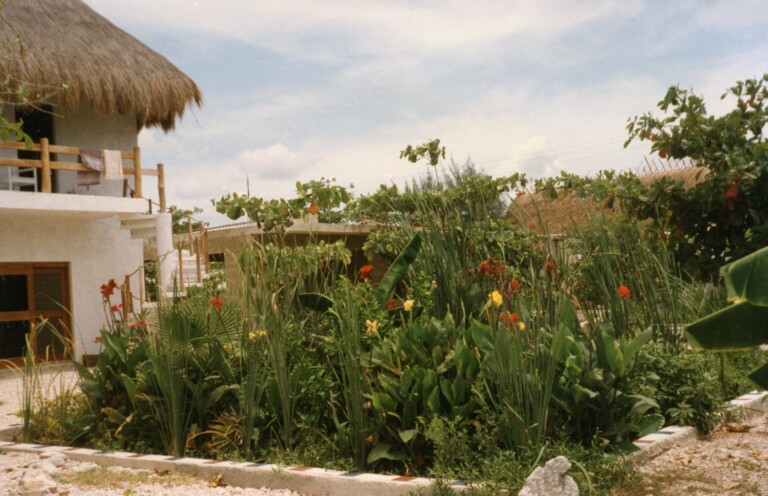
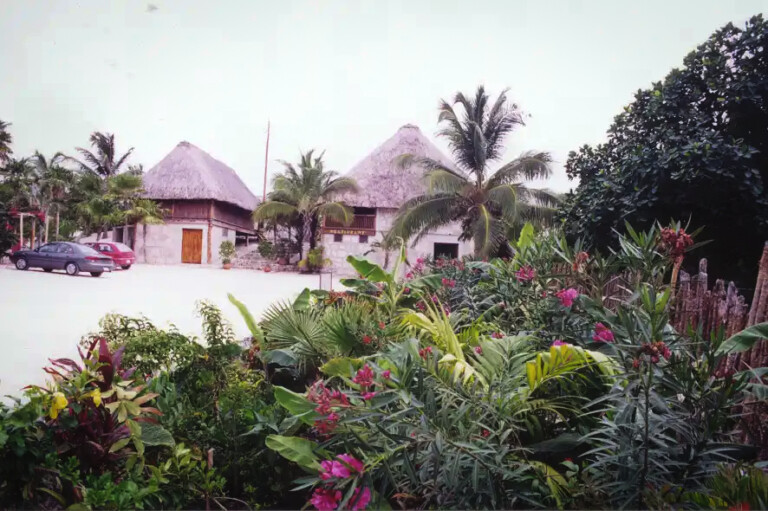
Wastewater Garden for coral reef field station, Biosphere Foundation, Akumal, Mexico. Note the decorative tiles to showcase this was a garden not just a sewage treatment system.
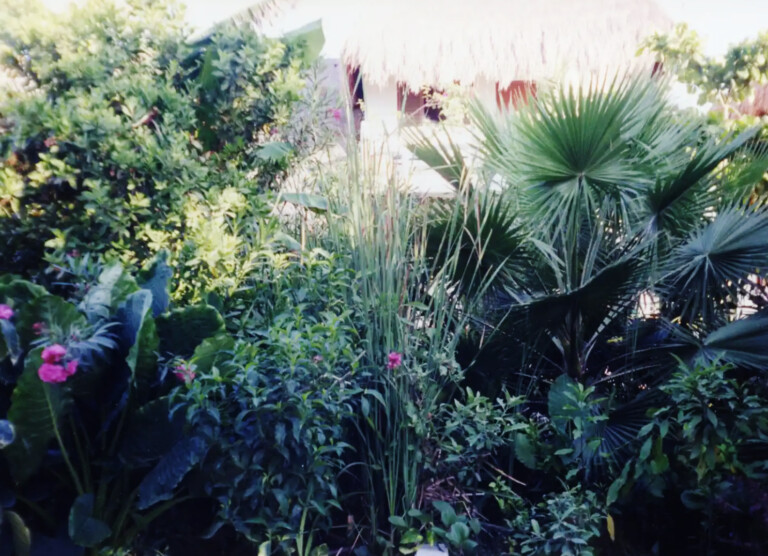
Coral field station WWG after a few years growth.
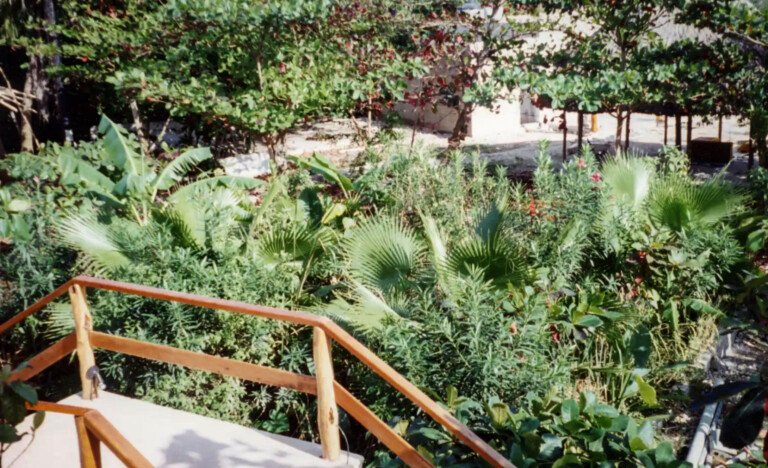
Centro Ecologico Akumal WWG.
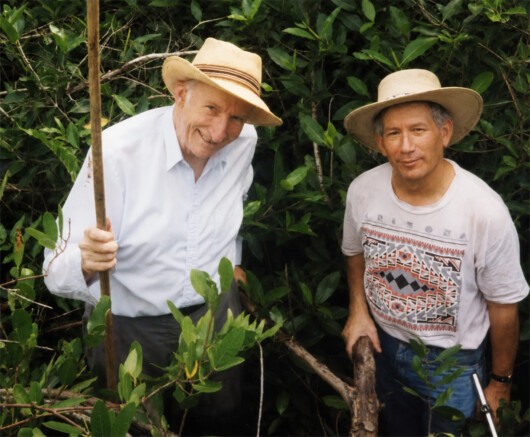
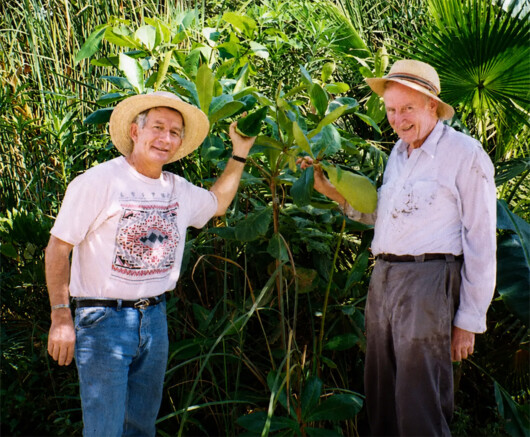
Prof. H.T. Odum, considered the father of ecological engineering, with Nelson visiting WWGs in Mexico.
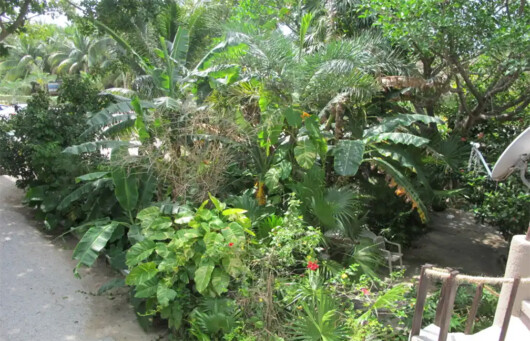
Over the following ten years, over 2 dozen WWG systems were built along the Yucatan coast for homes, businesses and hotels/resorts.
Tropic Padus resort WWG, Tulum, Mexico.
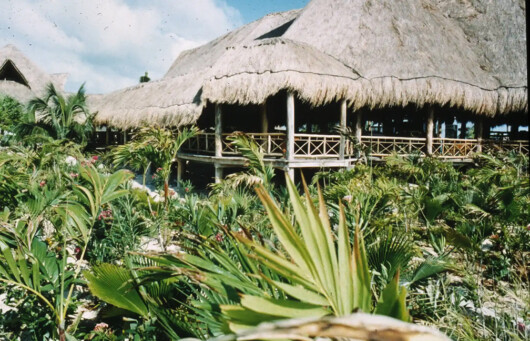
Restaurant WWG for an Eco-park, Yucatan coast.
CEA WWG, Akumal after 25 years of operation.
Working with Yayasan IDEP (Indonesian Development of Education in Permaculture Foundation), Biosphere Foundation and IE, Nelson brought the technology to Indonesia, primarily in Bali and a few projects in Java, Sulawesi and Aceh.
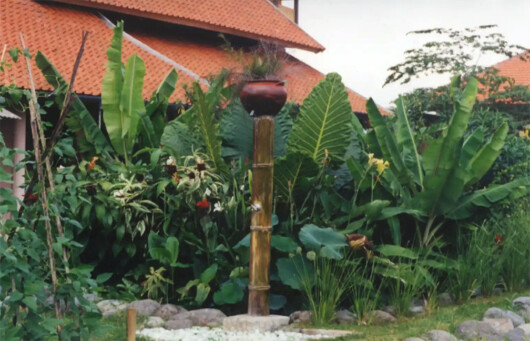
Sunrise School, Kuta/Leggian, Bali WWG.
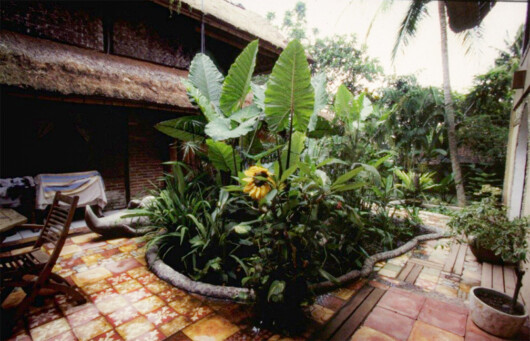
Residential compound WWG, Ubud, Bali
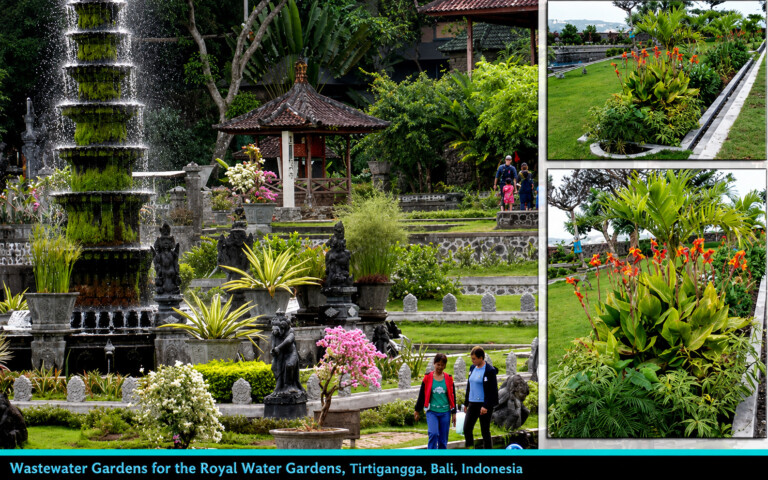
WWGs for the Royal Water Gardens at Tirtigangga, Bali, with funding from Seacology Foundation
From its start in 1997, there have now been over 150 ecological sewage treatment and reuse systems in fourteen countries, including Algeria, Mexico, Belize, Western Australia, the Philippines, Bali and elsewhere in Indonesia, Portugal, Puerto Rico, France, Spain, Poland, the United States, and Iraq.
Wastewater Garden International has received funding for its projects from Seacology Foundation, the Sendzimir Foundation, the Mangrove Action Project, the World Wildlife Fund, Australia water conservation grants, the West Australian Department of Aboriginal Housing, Belgian Foreign Assistance, the Algerian Ministry of Water and the Environment, Blue Tech Research, the Planetary Coral Reef Foundation (Biosphere Foundation), Nanyang Technological University, Singapore, the Iraqi Ministry of Water Resources, and the Puerto Rico Department of Natural Resources.
For further reading: The Wastewater Gardener: Preserving the Planet one Flush at a Time, by Mark Nelson (Synergetic Press, 2014). Website: wastewatergardens.com