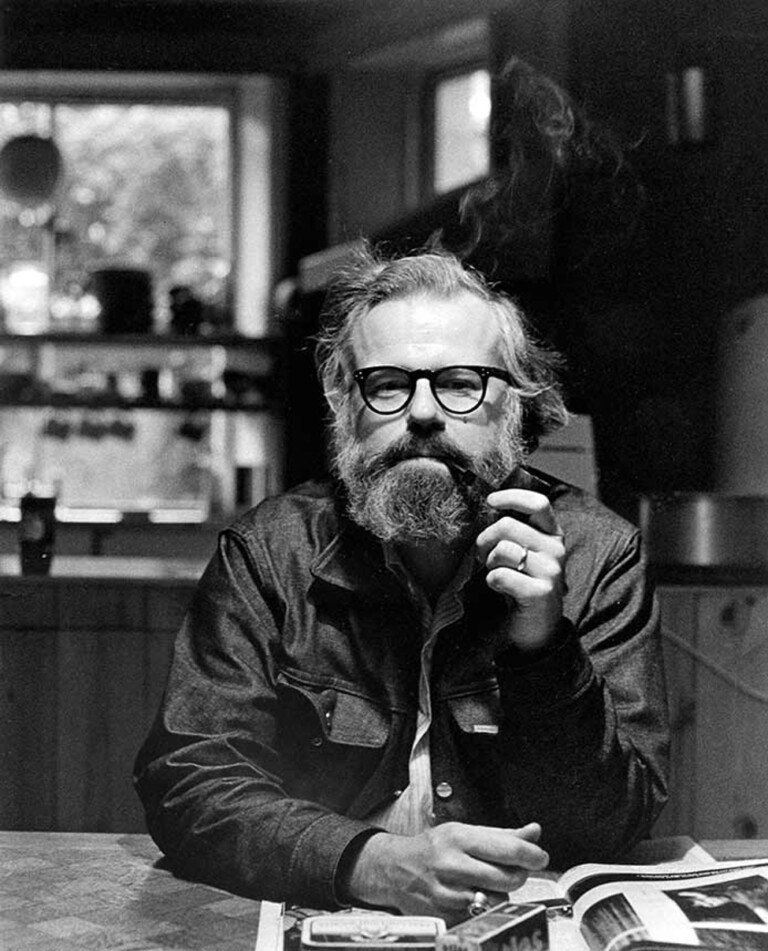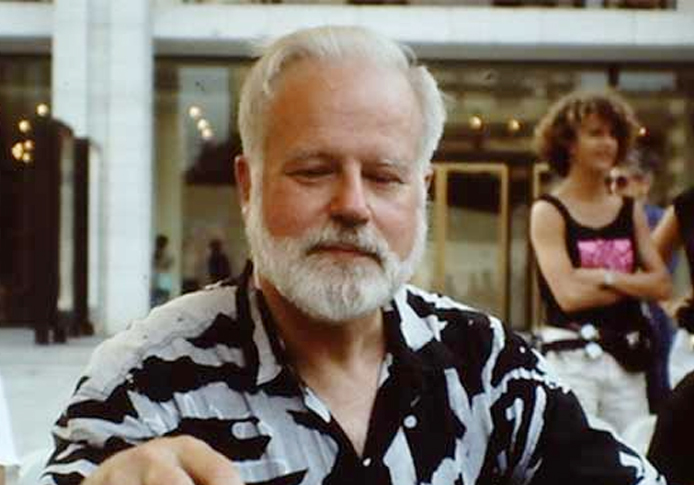
John Whiting led an adventurous and deeply meaningful life, distinguished by his extraordinary contributions to broadcasting, acoustics, sound design and archival recording.
While living in San Francisco during the cultural ferment of the Beat poets and the radical movements of the 1960s, John served as Production Director at KPFA, Berkeley’s pioneering listener-supported radio station. He later created the role of London Correspondent for Pacifica Radio, sending insightful and original reports from Britain for many years.
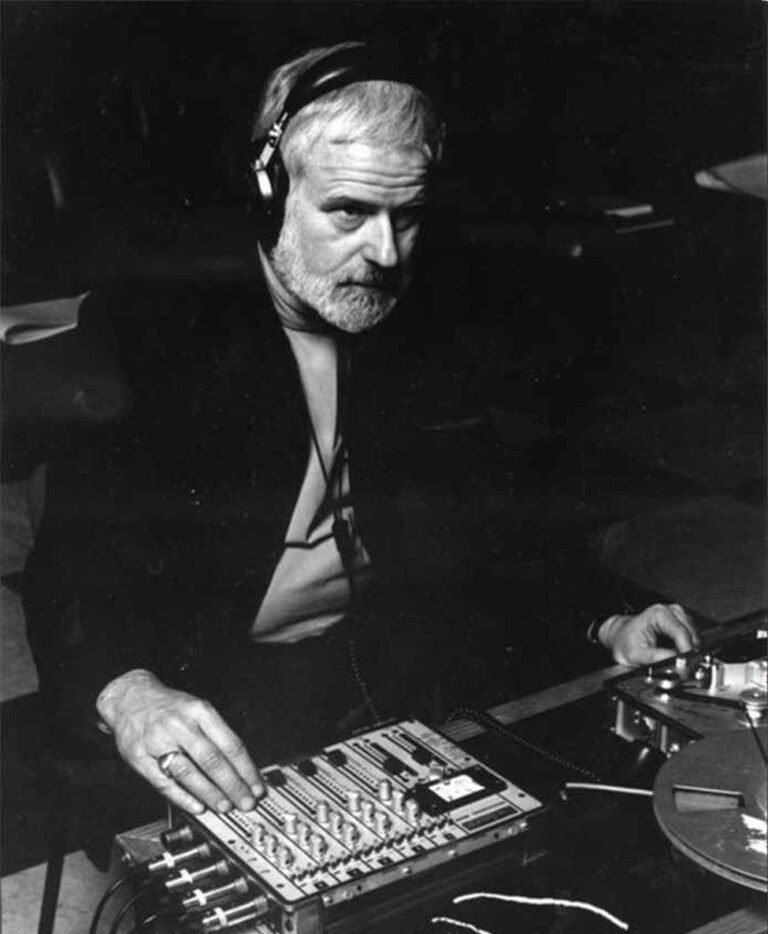
During the 1970s, John became one of London’s most sought-after acoustics engineers and sound designers. Soon after October Gallery opened in 1979, he installed what he called “the sound studio of my dreams” within the Gallery’s underground basement chambers. As Sound Designer for Electric Phoenix, the celebrated electro-acoustic vocal ensemble, John helped establish October Sound as the centre of a remarkable recording enterprise.
His work brought him into contact with internationally renowned musicians, composers, writers and performers, including John Cage, Luciano Berio, Hedli Anderson and William S. Burroughs. He also recorded many of October Gallery’s early events, including the historic Nadabrahman concert series of the 1980s, which presented outstanding Indian musicians such as Ravi Shankar, Dr. L. Subramaniam and Ustad Shujaat Khan.
Over more than three decades, John’s recordings—first on tape and later in digital formats—formed the backbone of two significant archives: one documenting October Gallery and the other preserving the work of the Institute of Ecotechnics.
For more than twenty years, John drove his van from London to the Institute’s conference centre in Aix-en-Provence, France, where he meticulously recorded its extraordinary gatherings of scientists, artists, explorers and original thinkers. Through his dedication and technical excellence, John preserved an invaluable record of the Institute’s intellectual and creative history.
In recognition of the conscientious professionalism and enduring commitment with which he provided these essential services, John Whiting was elected a Fellow of the Institute of Ecotechnics.