Eden in Iraq Waste Water Garden Project
I first went to southern Iraq in May 2011 to lend my expertise to the Eden in Iraq Ecology/Art project initiated by Prof. Meridel Rubenstein. The project was adopted by Nature Iraq (N.I.), the environmental NGO which is prominently involved in the restoration of the southern Iraqi marshlands and Marsh Arab cultures.
photo here
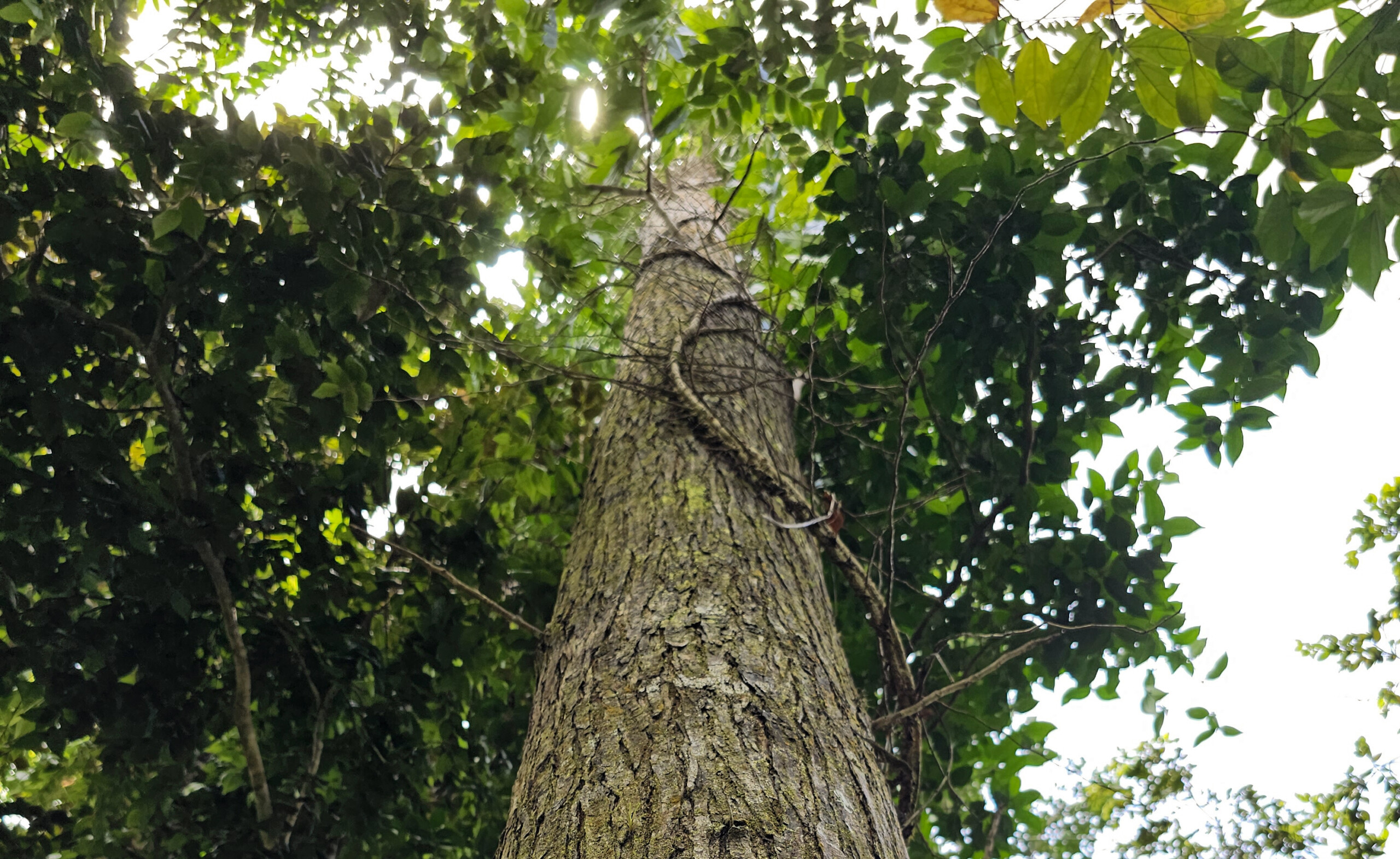
“Adam’s tree” near where the Tigris and Euphrates rivers merge in what was once “Adam’s Paradise”
The country was still in turmoil, and Meridel and I were glad to escape the Basra airport where we waited for the final stamps in our visas. We were in the midst of a group of extremely large and muscled men, most of whom were coming to provide security for oil companies and western companies. They were shocked and looked at Meridel and me like we were lambs to the slaughter when we told them we weren’t hiring armed security nor traveling in armor-plated vehicles. We had absolute confidence in our Nature Iraq colleagues and thought we were safer traveling and living with them, rather than attracting attention by an ostentatious show of weapons. Besides, we were coming to do good for both the people of the marshes and the marsh ecology, so had confidence that we would be safeguarded by our good intentions and karma.
This stop introduced us to the vast history of the region we were headed to: the Fertile Crescent, the birthplace of civilizations. Poignantly, Adam’s tree, the focal point of the modern garden, is dead, its bare limbs devoid of any leaves. A reminder that all things pass, that even civilizations have their birth, flowering, decline and death. Everything in the biosphere either evolves and gives rise to successors, or is eliminated. Nothing lasts forever.
We entered more deeply into the marshes enroute to al-Chibayish. But it was hard to comprehend what lay on both sides of the dusty highway. It seemed extraordinary that in such an obviously dry and desert landscape, there would be vast expanses of water.
Jassim promised us a surprise in the morning as we settled into the dormitories at the Nature Iraq headquarters.
We were awakened well before dawn the next morning and whisked by car to one of the canals that lead to the marshes. There we boarded a boat steered by Ehmad, a Marsh Arab in traditional clothing – and soon leaving the city behind, entered a quite different realm.
The marshes opened up before us, wide expanses of water sometimes narrowing to small channels. Everything was green – the reeds – or blue – the water, the vast sky overhead. It was hard to comprehend that less than 10 years ago, this had all been turned into desert when the fabled rivers were diverted to punish and hunt down the rebels against the then government.
The marshes are in the process of restoring themselves – and the Marsh Arabs, one of the world’s oldest cultures, have returned. We passed by their encampments – simple shelters made of reed mat – for their family and the water buffalo with whom they live.
The intricate web of channels was bustling with life. We passed many boats, some powered by engine, but many made of reed and propelled in the traditional way by poles in the shallow waters of the marshes. Amazed, I learned that all the islands on which people dwelled were made by mounding layers of marsh mud and reeds. It was a deeply cultural landscape – these Marsh Arabs had mastered how to live there – and by living there had enriched the landscape. Jassim told us the connection is so deep between Marsh Arab and their water buffalo, that they can recognize their own from hundreds of others.
We passed a bustling fish market where many boats of fishermen had docked. Plenty of boats passed us on their way to cut reeds and grass or returning with their loads to feed their water buffalo or to sell to trucks waiting to take them to market. But now, many of the Marsh Arabs carry cell phones. No culture is a museum exhibit; these are 21st century Marsh Arabs.
Just as surprising as all the human life in the marshes is watching the water buffalo. They freely swim through the marshes, grazing and enjoying themselves. But come sundown, they will return to their family’s island. In the mornings, since many Marsh Arabs now live in towns like Al-Chibayish, you see them making their way to the edge of the marshes or swimming out for their day’s work. I marveled that the water buffalo were “commuting to work”.
As we traverse the marshes, Ehmad sings haunting Marsh Arab songs while Meridel the master photographer is capturing everything with her camera. Jassim, whom I immediately feel a kinship with, is expertly serving as a guide and historian. As I learn his story, I realize the deep connections he and the other Marsh Arabs have with these famous wetlands, once one of the largest on Earth. Jassim was born in a boat in the marshes, while his mother was out harvesting grass and reeds for their animals. I hear his story and think of Moses in the Bible who’s discovered in the bulrushes of another Middle Eastern wetlands. Jassim’s career – becoming a water engineer, a hydrologist, is inspired by his love and visceral connection with these marshes. Now Jassim has returned to help the marshes recover and to aid the Marsh Arabs who were forced to leave when the wetlands were drained.
Amidst the glories of the marsh, there are reminders of the tragedies and ongoing environmental problems the marshes and the people face. We stop and converse with a family who are packing up their structures and belongings. The water is no good here for them and their water buffalo. Because of upriver water diversion from the Tigris and Euphrates, the marshes no longer receive the amount of water they once did – and there isn’t the annual flood to flush salts away. The marsh waters are increasingly saline; and there are threats to the continued health of the marshes which have been restored. Some fishermen have resorted to fishing with poisons and N.I. is working to eliminate the dangerous practice
From Jassim and other Nature Iraq staff, we learn of imprisonment, torture, forced service in the army. People carry bullet wounds and psychic scars. In horror, Jassim points out the roads that Saddam’s government built to hunt down the rebels. The rebellion began in the marshes and rebels hid there. The killing roads – so cruel in what were then lush marshlands.
We stop at an archeological site. Once marsh, it’s part of more than half the original wetlands which have not received the water to revive. Now it’s parched desert, since this part of southern Iraq receives very little rainfall, its water supply totally dependent on the rivers which originate in Turkey. The cracked clay soils reveal a haunting tableau: ashes from Marsh Arab settlements that were burnt by the Iraqi army, sea shells from now absent aquatic life and bullet shells.
We also see the place where the first hole was punched by locals with the assist of Nature Iraq to let the waters back. It should be an international landmark and celebrated. Where I live in dry New Mexico in the United States, the people say: “La vida es agua”. Life is water. The return of the rivers with their water has enabled the life of almost half of the marshes to resume after a decade of desertification to something like it’s been for thousands of years.
In the days that follow, we go to Ur to see the giant ziggurat with its famous stairway, and the putative home of Abraham, founder of three world religions. It’s sobering to realize the site was once on the shores of the Persian Gulf.
We also see the reason we’ve come: a long pipe carries untreated sewage from a town “switch plant” into the Euphrates River and adjoining marshes. We see similar scenes at other Marsh Arab towns and communities.
Looking at possible sites for our project, we visit a school in al-Chibayish. The teachers are dedicated, their students high-spirited, but there is virtually no furniture in the school, no computer in sight. We go back to inspect the school septic tank which probably has never worked like it should. Following the odor, we find streams of sewage flowing between houses, children playing nearby. This is a low-lying and poor neighborhood; not wealthy enough to be connected with the collection system leading to a switch plant. Here the untreated sewage is just moved by gravity and snakes its way to the Euphrates river.
A mother, embarrassed, pulls back a carpet to show us an open sewage trench running through her family’s living room. Her eyes are pleading: “can you please help”. I have worked around the world in sewage treatment – I’ve seen terrible things but never anything like this. I want to cry.
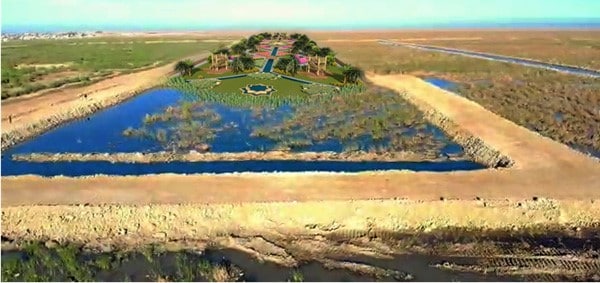
Meetings with local town councils, government officials show us their desire to see the situation changed. We offer them hope, a sewage treatment system that’s affordable, green and beautiful – and I silently hope as well that it will be fulfilled one day. For these people, polluting their life blood – the waters of the marsh – is truly horrifying. We are buoyed by their enthusiasm for our Wastewater Gardens solution. Yes, this place which has seen such recent horrors – several wars, civil war, torture, oppression, deliberate desertification – yet still shines as only a land which is indelibly melded with a people’s culture can. It is imperative to build systems that celebrate human cultural richness and help restore environmental and human health.
Jassim is a deeply cultured man – combining the down-to-earth qualities of his people, both engineer and poet, naturalist and instinctive diplomat. He recites his poems and sings as well as we travel the marsh’s waterways. It’s clear how at home he is in this watery realm; attentive to every nuance of the marshes and the life of its people, every song of its resident and migratory birds.
The next day, Jassim takes us to our first mudhief. We had seen people making the bundles of reeds from which they are made. This one is the mudhief of the Alasadi tribe. Men in beautiful turbans and robes are lounging inside, enjoying the shade and coolth, sipping their tea and coffee. Stepping into that structure is a memorable experience I will always remember. I think: the Sumerians, the Babylonians and the other Mesopotamian civilizations that thrived here are still with us. The architecture is timeless and its beauty sublime.
As the days pass, I feel so lucky to be amongst my new friends. Far from feeling in danger, I marvel at the hospitality, kindliness and humanity of these wonderful people. Though their towns have been rebuilt with access roads, so that not everything moves by boat and waterway as it once did, the marsh dominates both the region and people’s imagination. It’s still early years in the restoration of the marshes and the return of the Marsh Arabs.
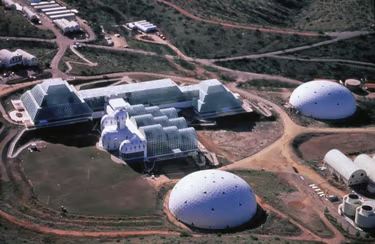
I reflect on my life journey to get here and recall my two years inside Biosphere 2. In that tiny world, I and my seven other companions knew that our living world was keeping us healthy. It made us mindful of our every action, making sure not to harm or pollute our world. We lived with an array of very small ecologies – from rainforest to coral reef ocean. One that I especially loved was our wetland – a microcosm of the Everglades wetlands and mangroves. How I relished working there and watching that green world grow and develop. The Wastewater Gardens technology was also born inside Biosphere 2 – I managed our man-made wetland which cleaned our sewage wastewater and turned it into fodder and flowers. After I left Biosphere 2, I earned degrees in ecological engineering and determined to help bring this ecological technology to where it’s needed around the world.
I think, my experiences may be a tiny reflection of what Marsh Arabs must be feeling. They’ve come back from their forced exile to the irony of such storied, historically rich marshes which have had to regrow from a man-made desert. It’s fragile, facing many dangers, but this epic story of the restoration of the Eden-like southern Iraqi marshes is what has brought me/us here. The impressions of that first visit still remain so vivid.
Can the Biblical story be reversed? Can we recreate the garden, allow nature to heal itself and by healing nourish its human inhabitants? It’s a question that forms the current drama not only in southern Iraq but on planet Earth as we humans come to terms with how to protect our biosphere.
Like the water buffalo, like the Marsh Arabs, we need to wake up and remember to return home.